
Our Story:

Our Story:
The Two‑Eyed Seeing Space is a collaborative research and learning environment dedicated to understanding and restoring the Land–Water–Sky Continuum through the genuine partnership of Indigenous Traditional Cultural Knowledge and Western Science. It was created to move beyond reductionist climate and environmental thinking and instead work with Earth as a living, pulse‑driven system where forests, rivers, soils, clouds, and people form one interconnected whole.
In this Space, Two‑Eyed Seeing means holding both knowledge systems as equal and complementary. Aboriginal Dreaming, songlines, seasonal calendars, and governance laws are treated as rigorous relational science and brought into dialogue with satellite data, atmospheric reanalyses, hydrology, soil microbiology, and landscape‑rehydration science. Rather than treating climate, water, soil, biodiversity, and people as separate issues, the Space looks at how living landscapes function as interconnected systems that can degrade rapidly or regenerate quickly when key feedbacks are restored.
At the core of the Two-Eyed Seeing Space is a simple but demanding question: “What does the Earth already know how to do here, and how do we work with that?” Using a Two‑Eyed approach, projects combine TCK indicators (such as seasonal calendars, songlines, long‑term observations and stories) with ground measurements (farm and forest monitoring, river gauges, OzFlux towers) and satellite/model products (NDVI, evapotranspiration, temperature, winds, moisture transport). This integrated evidence is used to test and refine hypotheses about biotic pumps, flying rivers, fire–water–succession dynamics, and small‑water‑cycle restoration—from paddock‑scale Natural Sequence Farming through to continental forest networks.
The program is grounded in the Enhanced Unified Holistic Earth Systems Protocol (UHESP v2.1) and the Enhanced Unified Holistic Intelligence Protocol (UHIP v2.2), which set strict rules for cultural safety, Indigenous governance, and 50/50 knowledge parity across all analyses and AI tools. Every project in the Space uses a canonical internal knowledge base, validated metrics, and Elder‑guided consent processes to ensure that Traditional Knowledge remains sovereign, is never extracted, and directly shapes research questions, methods, and outcomes.
Practically, the Two‑Eyed Seeing Space functions as a working lab and design studio for on‑ground change. It supports communities, farmers, Indigenous organisations, and agencies to co‑design rehydration works, cooperative succession strategies, fire–water management, and nature‑based economies that enhance local wellbeing, rebuild local economies, regenerate landscapes and stabilise regional climates. Real‑time validation workflows and open reporting are used so that new interventions can be checked against both Elder guidance and the best available science as they unfold. In this way, the Space aims to be not just a repository of analysis, but a living partnership platform for healing Country and safeguarding water, food, and climate futures.
Why Choose Us
====================================
====================================
Choosing the Two‑Eyed Seeing Space means working with a platform that treats climate and restoration as both a scientific and cultural responsibility, not just a technical exercise. Projects are co‑designed with Traditional Owners and Elders, grounded in Indigenous governance, and supported by leading‑edge Earth system science, satellite analysis, and real‑time monitoring so that every decision remains accountable to Country, community, and evidence together.
You gain access to a proven, protocol‑based framework for holistic work. The Space operates under UHESP v2.1 and UHIP v2.2, which integrate pulse–reserve hydrology, fire–water–succession dynamics, and biotic‑pump climate science with strict cultural‑safety and data‑sovereignty requirements. The Land-Water-Sky Continuum Research Program monitored sites such as Bungonia Farm, Tumbarumba, and Robson Creek, showing that this approach can deliver measurable gains in landscape rehydration, biodiversity, cooling, rain recycling and ecosystem‑service value, with benefit‑sharing structures that prioritise Indigenous communities.
With 25 years experience in coordinating and supervising social and environmental programmes, Ian Sutton, founder of the Two-Eyed Seeing Space, brings vast amounts of on-ground experience in both program design and on-ground implementation. Many of Ian's programmes were run in partnership with Aboriginal organisations, where he worked closely with Indigenous leaders, knowledge holders and Elders. Ian also spent a lot of time learning from and deliberating with Peter Andrews, founder of Natural Sequence Farming, and it was during this time, when he was learning with both eyes open, that he began actively seeking out TCK and its rightful place within modern Earth and Environmental Sciences, initiating his Two-Eyed seeing journey.
Show cased in our website's Photo Gallery are 2 of Ian's best projects, both run as social programs on the Central Coast. The Kariong Stormwater Catchment and Filtration System, which was constructed by Aboriginal boys from the Frank Baxter Youth Justice Centre, and the Bateau Bay Community Park, constructed by long-term unemployed from the local Bateau Bay community. The Kariong program was awarded the "Chief Executive Excellence Award" by the Department of Juvenile Justice, and the Bateau Bay Community Park won the "Champions of the Catchment Regional Awards for Landcare Community Group Innovation" from the Catchment Management Authority.
The Space also offers a unique human–AI partnership model to accelerate and deepen your work. AI research assistants here are trained to move beyond reductionism, honour Traditional Cultural Knowledge as relational science, and operate within clear ethical and consent boundaries, providing transparent and reproducible analysis that strengthens—rather than replaces—human and Indigenous leadership. Whether you are seeking a research partner, a design collaborator, or a long‑term restoration ally, this combination of Elder‑guided governance, validated science, and culturally aware AI support makes the Two‑Eyed Seeing Space a distinctive and trustworthy choice.
The Two‑Eyed Seeing Space is a collaborative research and learning environment dedicated to understanding and restoring the Land–Water–Sky Continuum through the genuine partnership of Indigenous Traditional Cultural Knowledge and Western Science. It was created to move beyond reductionist climate and environmental thinking and instead work with Earth as a living, pulse‑driven system where forests, rivers, soils, clouds, and people form one interconnected whole.
In this Space, Two‑Eyed Seeing means holding both knowledge systems as equal and complementary. Aboriginal Dreaming, songlines, seasonal calendars, and governance laws are treated as rigorous relational science and brought into dialogue with satellite data, atmospheric reanalyses, hydrology, soil microbiology, and landscape‑rehydration science. Rather than treating climate, water, soil, biodiversity, and people as separate issues, the Space looks at how living landscapes function as interconnected systems that can degrade rapidly or regenerate quickly when key feedbacks are restored.
At the core of the Two-Eyed Seeing Space is a simple but demanding question: “What does the Earth already know how to do here, and how do we work with that?” Using a Two‑Eyed approach, projects combine TCK indicators (such as seasonal calendars, songlines, long‑term observations and stories) with ground measurements (farm and forest monitoring, river gauges, OzFlux towers) and satellite/model products (NDVI, evapotranspiration, temperature, winds, moisture transport). This integrated evidence is used to test and refine hypotheses about biotic pumps, flying rivers, fire–water–succession dynamics, and small‑water‑cycle restoration—from paddock‑scale Natural Sequence Farming through to continental forest networks.
The program is grounded in the Enhanced Unified Holistic Earth Systems Protocol (UHESP v2.1) and the Enhanced Unified Holistic Intelligence Protocol (UHIP v2.2), which set strict rules for cultural safety, Indigenous governance, and 50/50 knowledge parity across all analyses and AI tools. Every project in the Space uses a canonical internal knowledge base, validated metrics, and Elder‑guided consent processes to ensure that Traditional Knowledge remains sovereign, is never extracted, and directly shapes research questions, methods, and outcomes.
Practically, the Two‑Eyed Seeing Space functions as a working lab and design studio for on‑ground change. It supports communities, farmers, Indigenous organisations, and agencies to co‑design rehydration works, cooperative succession strategies, fire–water management, and nature‑based economies that enhance local wellbeing, rebuild local economies, regenerate landscapes and stabilise regional climates. Real‑time validation workflows and open reporting are used so that new interventions can be checked against both Elder guidance and the best available science as they unfold. In this way, the Space aims to be not just a repository of analysis, but a living partnership platform for healing Country and safeguarding water, food, and climate futures.
Why Choose Us
=======================================================================================================================================
=======================================================================================================================================
Choosing the Two‑Eyed Seeing Space means working with a platform that treats climate and restoration as both a scientific and cultural responsibility, not just a technical exercise. Projects are co‑designed with Traditional Owners and Elders, grounded in Indigenous governance, and supported by leading‑edge Earth system science, satellite analysis, and real‑time monitoring so that every decision remains accountable to Country, community, and evidence together.
You gain access to a proven, protocol‑based framework for holistic work. The Space operates under UHESP v2.1 and UHIP v2.2, which integrate pulse–reserve hydrology, fire–water–succession dynamics, and biotic‑pump climate science with strict cultural‑safety and data‑sovereignty requirements. The Land-Water-Sky Continuum Research Program monitored sites such as Bungonia Farm, Tumbarumba, and Robson Creek, showing that this approach can deliver measurable gains in landscape rehydration, biodiversity, cooling, rain recycling and ecosystem‑service value, with benefit‑sharing structures that prioritise Indigenous communities.
With 25 years experience in coordinating and supervising social and environmental programmes, Ian Sutton, founder of the Two-Eyed Seeing Space, brings vast amounts of on-ground experience in both program design and on-ground implementation. Many of Ian's programmes were run in partnership with Aboriginal organisations, where he worked closely with Indigenous leaders, knowledge holders and Elders. Ian also spent a lot of time learning from and deliberating with Peter Andrews, founder of Natural Sequence Farming, and it was during this time, when he was learning with both eyes open, that he began actively seeking out TCK and its rightful place within modern Earth and Environmental Sciences, initiating his Two-Eyed seeing journey.
Show cased in our website's Photo Gallery are 2 of Ian's best projects, both run as social programs on the Central Coast. The Kariong Stormwater Catchment and Filtration System, which was constructed by Aboriginal boys from the Frank Baxter Youth Justice Centre, and the Bateau Bay Community Park, constructed by long-term unemployed from the local Bateau Bay community. The Kariong program was awarded the "Chief Executive Excellence Award" by the Department of Juvenile Justice, and the Bateau Bay Community Park won the "Champions of the Catchment Regional Awards for Landcare Community Group Innovation" from the Catchment Management Authority.
The Space also offers a unique human–AI partnership model to accelerate and deepen your work. AI research assistants here are trained to move beyond reductionism, honour Traditional Cultural Knowledge as relational science, and operate within clear ethical and consent boundaries, providing transparent and reproducible analysis that strengthens—rather than replaces—human and Indigenous leadership. Whether you are seeking a research partner, a design collaborator, or a long‑term restoration ally, this combination of Elder‑guided governance, validated science, and culturally aware AI support makes the Two‑Eyed Seeing Space a distinctive and trustworthy choice.
Collaboration:



TALS INSTITUTE:
Following the Blueprint of the Australian Landscape to Restore Australia by 2030 - WHOLE OF LANDSCAPE RESTORATION
TALS INSTITUTE SUPPORTS:
RESEARCH & ADVOCACY: Studying and reporting of thescience and best practice. Drafting submissions and policies.
TRAINING & EDUCATION: Building an army of practitioners, facilitators and trainers.
PROJECTS & CONSULTANCIES: Creating viable projects and generating employment opportunities.
" Australia's landscape managers could lead the world in climate recovery, by following the blueprint available to us all, embedded in the Australian landscape."
Peter Andrews OAM, Chair, TALS Institute
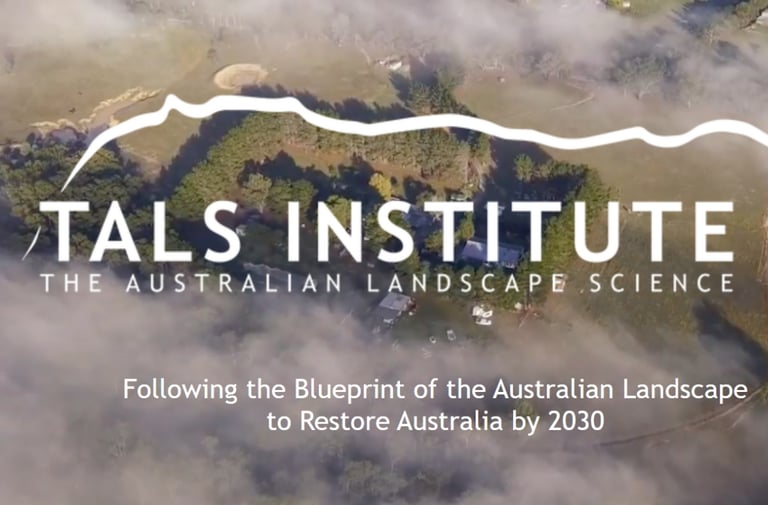

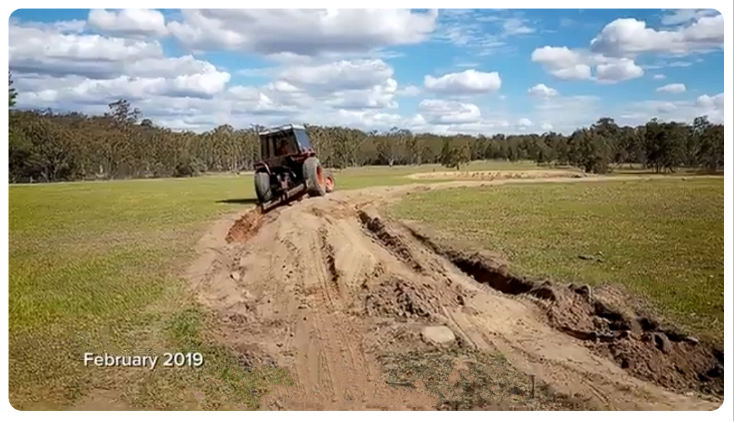

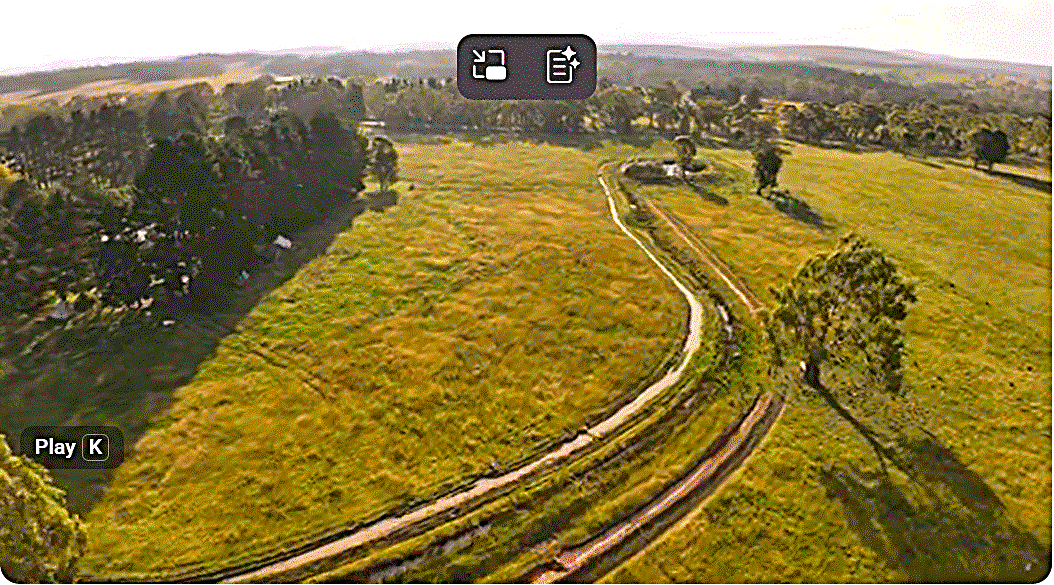
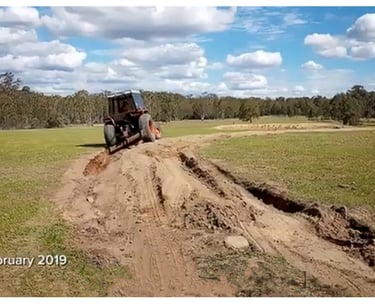
We are currently working in cooperation with the Australian Landscape Science Institute, drawing on their extensive expertise and experience in landscape rehydration and water‑pulse restoration. We have also used their latest research site, Bungonia Farm, as our farm-scale analysis site within our Land-Water-Sky Continuum Research Program.
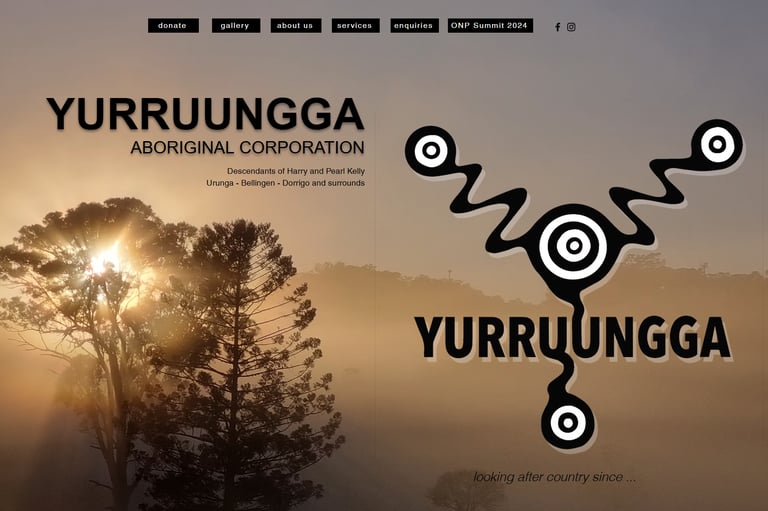
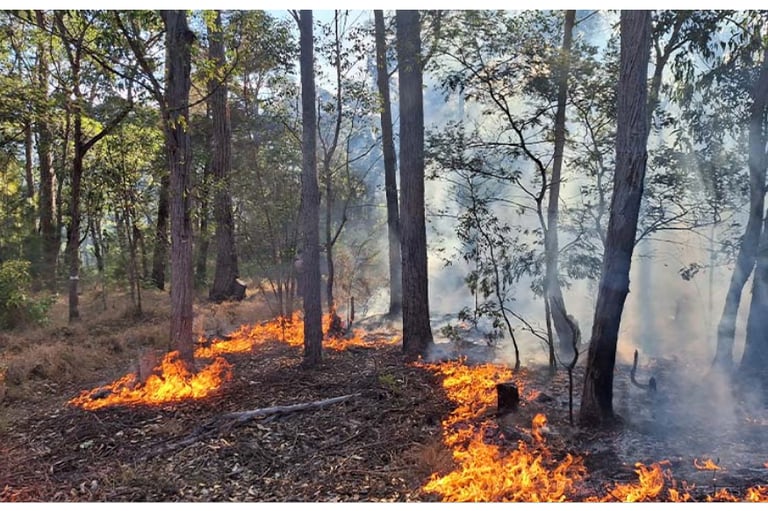
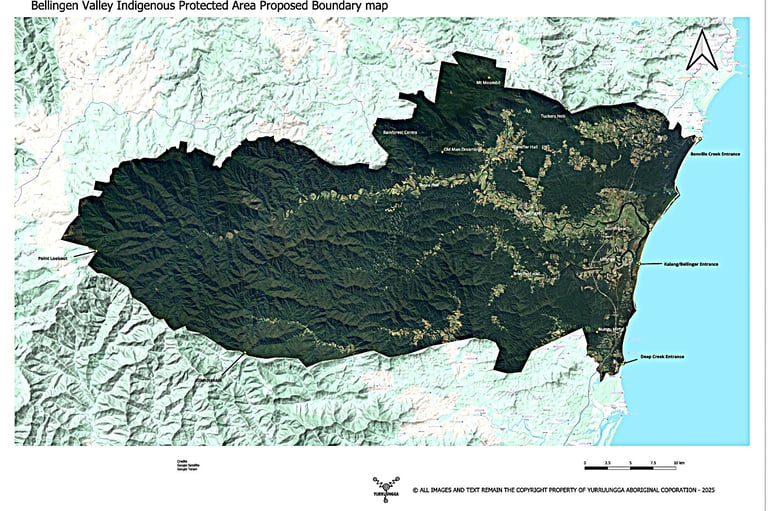
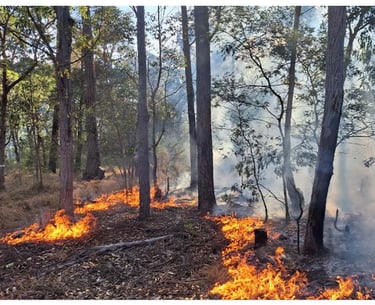
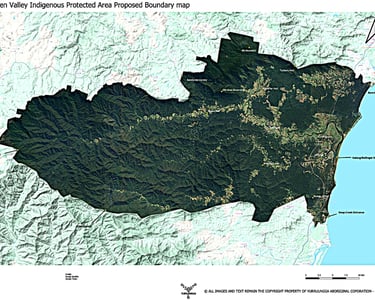
Alongside this, we are developing a partnership with Yurruungga Aboriginal Corporation, with the aim of further integrating Traditional Cultural Knowledge into our Co-operative Succession Framework. We are working towards a joint demonstration site for trialling cool mosaic burns timed with water pulse restoration, with the aim of improving overall water pulse effectiveness and ecological succession rate.
We are very happy to announce that we have officially partnered with CRADC Africa, a community-based NGO located in the Democratic Republic of Congo. We are working together to expand the Land-Water-Sky Continuum Research Program to include African Biomes and local Traditional Cultural Knowledge
About YAC
Yurruungga Aboriginal Corporation (YAC) is dedicated to preserving and promoting the rich cultural heritage of the Gumbaynggirr people. We strive to blend the oldest continuous Culture with contemporary technology and digital methods, ensuring the longevity and dynamic presence of the Gumbaynggirr culture. Our organization works closely with the community, elders, and experts to safeguard our traditions, language, art, and sacred sites. Through education, research, and community engagement, we aim to create a sustainable future for our cultural heritage.
CRADC Africa
Two-Eyed Seeing Space - CRADC Africa
The Two-Eyed Seeing Space and CRADC Africa are building a local governance-led partnership for Land–Water–Sky Continuum research, environmental learning and locally relevant programs and projects. The partnership brings together holistic systems thinking, public scientific tools and AI-assisted research while respecting CRADC Africa’s authority, local Traditional Cultural Knowledge (TCK) governance, consent, data sovereignty and review pathways.
Australian case studies and methods developed in the Land-Water-Sky Continuum Research Program are being utilised in Africa to develop a locally appropriate Two-Eyed Seeing framework, to inform research questions, to help develop environmental monitoring design and restoration practices, with local evidence, community direction and authorised decision-making determining what is appropriate in their country.


We are still setting up the Two-Eyed Seeing Space - CRADC Africa page and will remove the password as soon as its completed.


Collaboration:
TALS INSTITUTE: Following the Blueprint of the Australian Landscape to Restore Australia by 2030 - WHOLE OF LANDSCAPE RESTORATION TALS INSTITUTE SUPPORTS:
RESEARCH & ADVOCACY: Studying and reporting of the science and best practice. Drafting submissions and policies. TRAINING & EDUCATION: Building an army of practitioners, facilitators and trainers. PROJECTS & CONSULTANCIES: Creating viable projects and generating employment opportunities. "Australia's landscape managers could lead the world in climate recovery, by following the blueprint available to us all, embedded in the Australian landscape." Peter Andrews OAM, Chair, TALS Institute
About YAC
Yurruungga Aboriginal Corporation (YAC) is dedicated to preserving and promoting the rich cultural heritage of the Gumbaynggirr people. We strive to blend the oldest continuous Culture with contemporary technology and digital methods, ensuring the longevity and dynamic presence of the Gumbaynggirr culture. Our organization works closely with the community, elders, and experts to safeguard our traditions, language, art, and sacred sites. Through education, research, and community engagement, we aim to create a sustainable future for our cultural heritage.
We are currently working in cooperation with the Australian Landscape Science Institute, drawing on their extensive expertise and experience in landscape rehydration and water‑pulse restoration. We have also used their latest research site, Bungonia Farm, as our farm-scale analysis site within our Land-Water-Sky Continuum Research Program.
Alongside this, we are developing a partnership with Yurruungga Aboriginal Corporation, with the aim of further integrating Traditional Cultural Knowledge into our Co-operative Succession Framework. We are working towards a joint demonstration site for trialling cool mosaic burns timed with water pulse restoration, with aims of improving overall water pulse effectiveness and ecological succession rate.
We are very happy to announce that we have officially partnered with CRADC Africa, a community-based NGO located in the Democratic Republic of Congo. We are working together to expand the Land-Water-Sky Continuum Research Program to include African Biomes and local Traditional Cultural Knowledge.
CRADC Africa
Two-Eyed Seeing Space - CRADC Africa
The Two-Eyed Seeing Space and CRADC Africa are building a local governance-led partnership for Land–Water–Sky Continuum research, environmental learning and locally relevant programs and projects. The partnership brings together holistic systems thinking, public scientific tools and AI-assisted research while respecting CRADC Africa’s authority, local Traditional Cultural Knowledge (TCK) governance, consent, data sovereignty and review pathways.
Australian case studies and methods developed in the Land-Water-Sky Continuum Research Program are being utilised in Africa to develop a locally appropriate Two-Eyed Seeing framework, to inform research questions, to help develop environmental monitoring design and restoration practices, with local evidence, community direction and authorised decision-making determining what is appropriate in their country.


Get in Touch
Reach out to discuss how we blend Traditional Cultural Knowledge with Australian Landscape Science, or how we can support your research, projects or programs.
Email Ian Sutton - Founder and Lead Researcher of the Two-Eyed Seeing Space
TwoEyedSeeing@proton.me
Or contact us below via this website

Get in Touch
Reach out to discuss how we blend Traditional Cultural Knowledge with Australian Landscape Science, or how we can support your research, projects or programs.
Email Ian Sutton - Founder and Lead Researcher at the Two-Eyed Seeing Space
TwoEyedSeeing@proton.me
Or contact us via this website
Contact
Reach out to discuss your project needs and how we can support you
EMAIL Ian Sutton at
TwoEyedSeeing@proton.me
© 2025. All rights reserved.


